
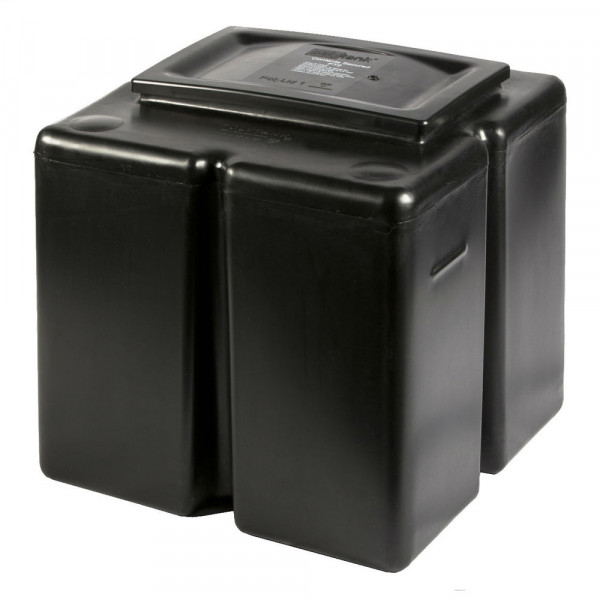
There’s nothing like the cold weather to focus your attention on how well your boiler and radiators are performing. But how often do you think about your loft tank? Loft tanks play an important role in keeping your heating and hot water systems running as they should during the winter. Understanding how they work and how to care for them can save you from expensive breakdowns and some chilly nights.
The unsung hero of your heating system
Loft tanks, sometimes called header or expansion tanks, are designed to support fully vented central heating systems. They ensure a steady supply of water to your boiler and accommodate the natural expansion that happens when water is heated. Without a reliable loft tank, your system could struggle to maintain pressure, leaving you with lukewarm radiators or even a complete heating failure.
How loft tanks prevent cold weather breakdowns
The last thing you want in freezing temperatures is for your heating system to break down. Here’s how a loft tank protects your home and family:
They are customisable, which brings extra benefits.
Add an insulation jacket to prevent freezing, reduce heat loss, and save energy. Opt for an air gap chamber that creates a physical space between the stored water and the incoming mains supply. The space prevents backflow so contaminated water from the tank can’t make its way into the clean mains supply. This protects household drink water from bacteria or debris.
They come with an installation kit.
Modern loft tanks come with everything needed for safe, straightforward setup.
They are quality assured.
Tanks have ISO 9001 certification which gives you peace of mind that they meet quality standards.
Caring for your loft tank in the winter
When it’s cold, it’s important to care for your loft tank. If loft tanks aren’t properly insulated, the water inside can freeze, leading to cracks, leaks, or even burst pipes. A frozen tank can also cut off your hot water supply just when you need it most.
Other risks include contamination if lids aren’t secure, or overflow issues if tanks aren’t checked regularly. Because loft tanks are out of sight and out of mind, it’s easy to forget about them until something goes wrong. Prevention is far cheaper and easier than emergency repairs.
Winter loft tank care checklist
- Check insulation: Make sure your loft tank has a proper insulation jacket to prevent freezing and reduce heat loss.
- Secure the lid: Confirm the lid is firmly in place to stop debris, dust, or pests from contaminating the water.
- Inspect for leaks or cracks: Look for any signs of wear, damp patches, or drips in the loft space.
- Check for overflow issues: Ensure the overflow pipe is clear and functioning to avoid water damage.
- Assess tank size and age: If your tank looks outdated or undersized, consider upgrading to a modern, certified model.
- Check compliance: Modern loft tanks manufactured to British Standard BS4213/2004 and ISO 9001 are safer and more efficient.
- Schedule a professional inspection: If in doubt, have a qualified installer or plumber check your system before the coldest months.
My loft tank is outdated or undersized-what should I do?
If your loft tank is outdated or undersized, it can become the weak link in your heating system, especially during the winter months. Older tanks often lack proper insulation, leaving them vulnerable to freezing and cracking when temperatures drop. Worn out materials can develop leaks that cause water damage in loft spaces and ceilings.
An undersized tank can struggle to meet demand, leading to low pressure and unreliable heating, and outdated designs may also fall short of modern hygiene standards, increasing the risk of contamination. Because older models may not comply with current British Standards, they can even affect insurance validity, and their inefficiency often results in higher energy bills as boilers work harder to compensate. Upgrading to a modern, certified loft tank gives you the peace of mind that you’ll have reliable heating when you need it most.
What we love most about loft tanks is that they do far more than protect your heating system from breakdowns in the chillier months. They’re also an investment in the longer-term resilience of your home. Their durability and efficiency means they help lower energy use and reduce your bills. Insulated tanks also reduce heat loss, meaning your boiler doesn’t have to work as hard, which saves both energy and money. Apart from heating, loft tanks can also be part of a wider eco-friendly upgrade. When paired with rainwater harvesting or greywater recycling systems, they allow you to store and reuse water for jobs like garden irrigation or flushing toilets. This reduces demand on mains water while reducing your bills over time. And who doesn’t want that these days?
For more interesting articles about saving water at home, check out the rest of our blog, or see how Germany has improved their water conservation.