
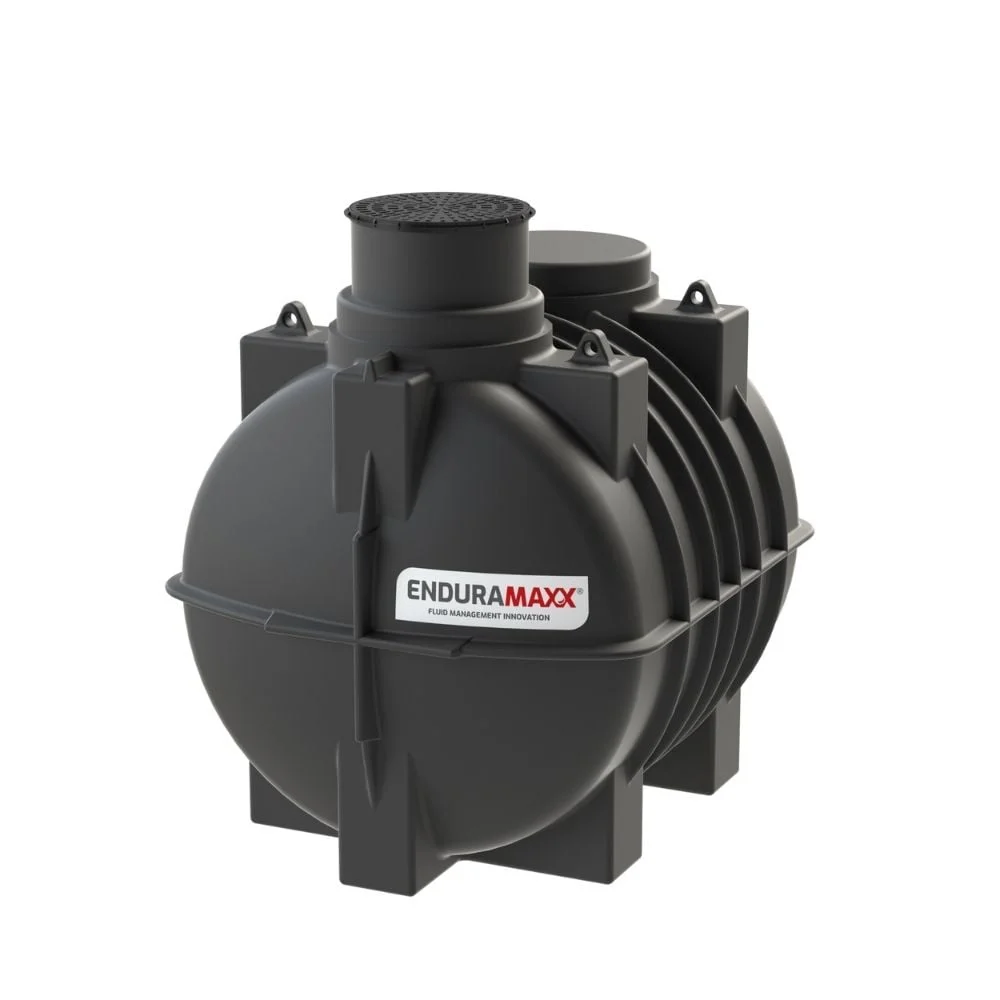
Whether you’re rainwater harvesting, need a backup water supply, or want irrigation storage, every property owner faces the same dilemma. Should you go for an underground water tank or stay above ground? Underground water tanks and those housed above ground have their benefits and drawbacks. There’s a lot to consider and it’s not just about the space you have available. You have to think about everything from installation costs to long-term maintenance, frost protection, and potentially even your property’s resale value. Hopefully, our article will help you cut through the confusion so you can choose the best water storage solution for your situation.
The hidden benefits of underground water tanks
There are plenty of benefits to having an underground tank.
Maximise your space
Underground tanks are the ultimate space-saver. Your garden stays uncluttered, you don’t waste precious space, and there’s no tank ruining the aesthetics of your property.
Natural temperature control
Buried tanks benefit from the earth’s natural insulation. This means your water stays cooler in summer and won’t freeze in winter, which is a big advantage in the UK climate. You won’t need to take measures to protect your tank from frost and you’ll have better water quality year-round.
More secure
Underground tanks are out of sight and out of mind, which means they’re protected from vandalism, theft, and accidental damage. They’re also completely weather-proof, with no risk of UV degradation or storm damage.
Can increase property value
A well-installed underground water storage system can actually add to your property value. Especially in rural areas where water security is prized.
Above-ground water tanks: The practical choice
There are also clear benefits of opting for an above-ground tank:
Simple to install
No excavation, no soil surveys, no groundwater concerns. Above-ground tanks can often be installed in a day with minimal disruption. If you’re renting or you might move house, they’re easily removable too.
Easy access and maintenance
Everything’s visible and accessible. Checking water levels, cleaning, repairs, and modifications are straightforward. You don’t need any special equipment for routine maintenance.
Cost effective
Lower upfront costs make above-ground storage attractive for budget-conscious buyers. There are no excavation costs, no specialist installation requirements, and if something goes wrong, repairs are typically cheaper and faster.
Flexibility
Above- ground tanks are easy to relocate if your needs change. You can upgrade capacity by adding additional tanks or reconfigure your system as your property changes.
The deciding factors
Still not sure which water tank will best suit your property? Here are the main things you have to consider:
Your property type
Urban properties with limited space often benefit from underground solutions. Rural properties with ample space might prefer the flexibility of an above-ground tank.
The local climate
If you’re in a frost-prone area, underground tanks eliminate any worries about your tank freezing in the winter. In milder regions, above-ground tanks with proper insulation work fine.
Your budget and timeline
Underground water tank installation can cost 2-3 times more due to excavation and specialised fittings. These costs can add up to £1,500–£4,000 for the tank alone, with installation adding £1,000–£3,000 more. There are potential additional expenses too, such as environmental risk assessments, dewatering, and structural anchoring, depending on the conditions on your property.
Underground water tanks can also take longer to install. Installation can take several days to weeks, especially if planning permission or ground surveys are involved.
With above-ground water tanks, the initial costs are lower. Tanks typically range from £500–£2,000, with simpler installation requirements. Many systems can be delivered and operational within 1–3 days, especially for polyethylene or modular tanks. This makes above-ground tanks ideal for residential or small-scale use.
Intended use
Are you intended to store water that’s fit for drinking? Or do you want irrigation water storage? Potable water storage often works better underground for temperature stability, while irrigation water can happily live above ground.
Planning regulations
Planning permission may be required for above-ground tanks, depending on their location. This is usually the case in conservation areas or near listed buildings. Historic or archaeological sites require written approval before installation. Catchment Sensitive Farming schemes offer grants for above-ground tanks, but usage is restricted to clean rainwater, not slurry or contaminated water.
Planning permission is usually required for underground tanks, especially if they’re part of a larger system or pose environmental risks. Local authorities might contact the Environment Agency if the installation could affect groundwater or nearby conservation areas.
Could you have the best of both worlds?
Depending on your needs and the size of your property, you could have an above-ground tank for immediate needs and underground storage for longer-term reserves. This works for large agricultural and commercial properties, as it offers operational flexibility with all the security benefits.
Making your choice
The right choice depends on your specific situation, not general rules. Consider your property layout, budget, intended use, and long-term plans. If you’re still not sure about which tank is the perfect fit, get in touch with our friendly expert team who can guide you through the best options for you.